
Glycol Pump Service: A Technical Reference for Dehydration Reliability
- Aug 10
- 10 min read
Updated: Aug 12
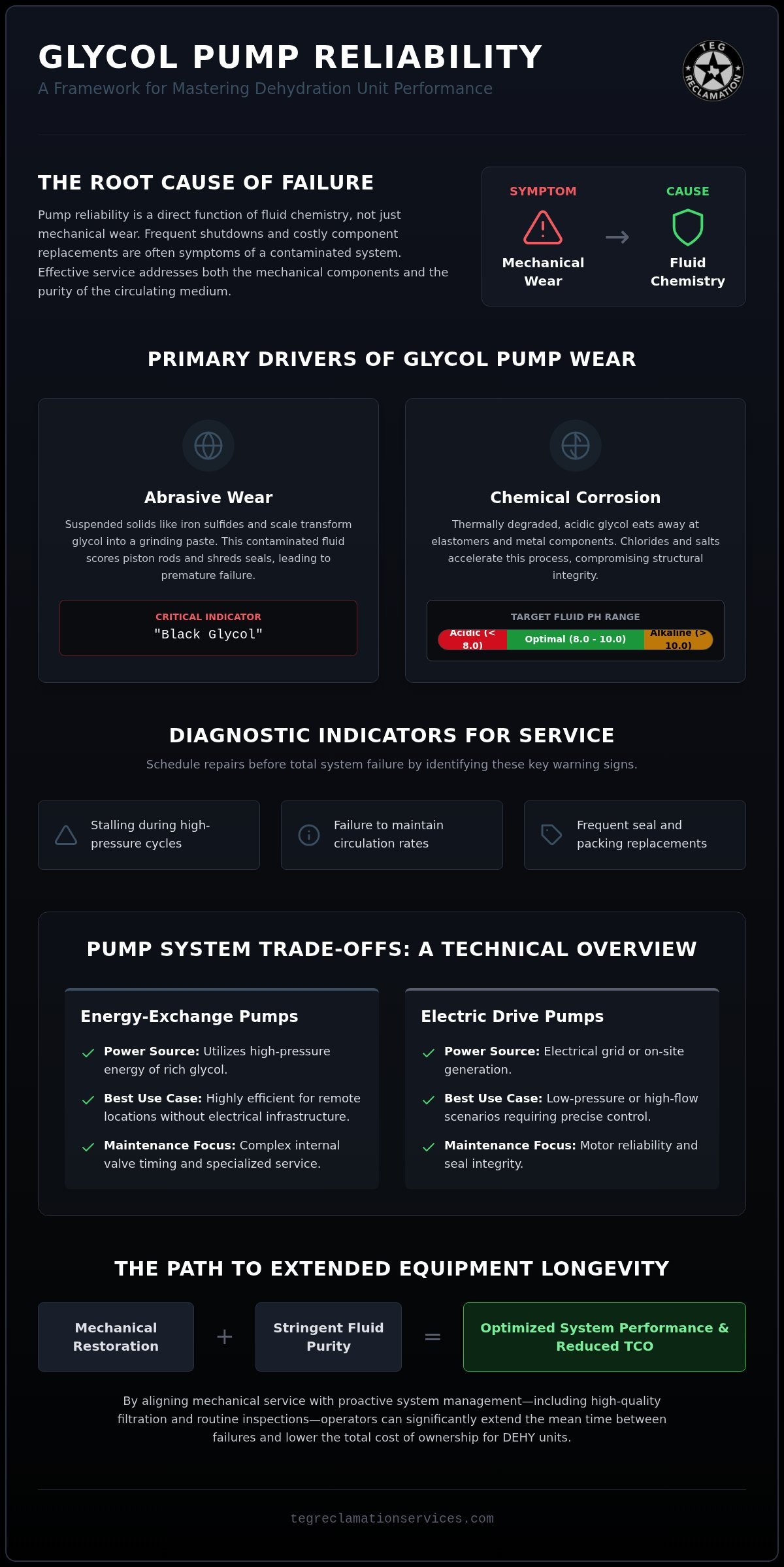
Mechanical failure in a dehydration unit is rarely just a mechanical issue. While many operators focus on seal kits and piston wear, the reality is that pump reliability is a direct function of fluid chemistry. If you're struggling with unscheduled production shutdowns or the high costs of frequent seal replacements, you're likely treating the symptom rather than the cause. Professional glycol pump service requires a dual focus on mechanical restoration and the purity of the circulating medium.
We understand that operational continuity is your primary metric. This technical reference provides the framework to master the maintenance requirements necessary for continuous gas dehydration and equipment longevity. By aligning mechanical service with stringent fluid standards, such as maintaining a pH between 8.0 and 10.0, you can extend the mean time between failures and optimize circulation rates. We'll examine the critical workflows for Kimray pump repair, the impact of chemical flushing, and how to lower the total cost of ownership for your DEHY units through proactive system management and specialized fluid reclamation.
Table of Contents
The Critical Role of Glycol Circulation Pumps in Gas Dehydration
The glycol circulation pump functions as the mechanical heart of any dehydration unit (DEHY). Its primary responsibility involves the continuous movement of lean glycol from the reboiler to the contactor tower, followed by the return of moisture-laden rich glycol for regeneration. This cycle is the foundation of the glycol dehydration process. Without precise circulation, the system cannot achieve the necessary dew point depression, leading to saturated gas entering the pipeline. Professional glycol pump service focuses on maintaining this rhythm to prevent the cascade of failures that follow a loss of circulation. Operators typically deploy energy-exchange, electric, or pneumatic pumps based on site-specific pressure requirements and available utilities.
Energy-Exchange vs. Electric Drive Systems
Energy-exchange pumps utilize the high-pressure energy of the rich glycol returning from the contactor to drive the movement of lean glycol. This design is highly efficient for remote locations lacking electrical infrastructure. Conversely, electric drive systems are often utilized in low-pressure or high-flow scenarios where precise control is paramount. While electric pumps offer simplified stroke management, they lack the inherent energy recovery of exchange models. Maintenance trade-offs are significant; energy-exchange units require specialized Kimray pump repair and service to manage complex internal valve timing, whereas electric units shift the maintenance focus toward motor reliability and seal integrity.
Circulation Rates and Dehydration Efficiency
Circulation rates directly dictate moisture removal capacity. A pump that moves too little glycol fails to absorb sufficient water, while over-circulation introduces separate operational risks. Excess flow rates lead to thermal inefficiency in the reboiler, as the system must heat a larger volume of fluid than necessary. This increases fuel gas consumption and puts unnecessary strain on the cooling components. Monitoring pump strokes per minute is a critical diagnostic step. If a pump struggles to maintain the required flow despite high stroke counts, it often indicates internal bypass or failing seals. Optimizing these rates through a glycol pump service ensures the DEHY unit operates within its designed efficiency envelope without wasting energy. Proper calibration prevents the abrasive wear associated with excessive mechanical cycles, preserving the longevity of internal components.
Understanding the Primary Drivers of Glycol Pump Wear
Mechanical friction is frequently cited as the primary cause of equipment fatigue, yet it is often secondary to the chemical environment inside the dehydration unit. A professional glycol pump service must evaluate the fluid's chemistry, as degraded triethylene glycol (TEG) behaves like an aggressive solvent and an abrasive carrier. When thermal degradation occurs, the resulting organic acids and carbonized byproducts compromise seal integrity and strip away essential lubrication. This chemical shift leads to the rapid failure of rod packing and internal gaskets, long before the expected mechanical service life is reached.
Abrasive Wear from Suspended Solids
Suspended solids, such as iron sulfides and scale, transform the circulating glycol into a grinding paste. As this fluid moves through the pump, the particulates score piston rods and shred elastomeric seals. The presence of "black glycol" serves as a critical diagnostic indicator. It signals a high concentration of solids and carbonized fluid that will inevitably lead to catastrophic pump failure. Mechanical repairs are merely temporary if the fluid remains contaminated. Implementing high-quality filtration upstream of the pump is essential to intercept these particulates. By maintaining fluid purity, operators can prevent the abrasive scoring that necessitates frequent Kimray pump repair and service.
Chemical Corrosion and Seal Failure
Chemical corrosion is a silent driver of pump wear that targets internal components. Acidic glycol, where the pH has dropped below the industry-standard range of 8.0 to 10.0, aggressively eats away at internal O-rings and gaskets. The accumulation of chlorides and salts, often introduced through wellbore carryover, accelerates corrosion within the pump housings. These contaminants are particularly destructive to stainless steel and specialized alloy components, leading to pitting and structural weakness. To protect your equipment, a robust glycol contamination removal program is required to neutralize these threats. Thermal degradation also plays a role. Overheated glycol produces corrosive byproducts that degrade seal materials from the inside out. Addressing these chemical factors is the only way to ensure that mechanical restoration provides lasting results. If your system is experiencing chronic failures, a specialized glycol pump service can identify whether your fluid chemistry is sabotaging your hardware.
Diagnostic Indicators: When to Schedule Professional Glycol Pump Service
Early detection is the most effective way to minimize production downtime and avoid the high costs of emergency system recovery. While standard vibration analysis has its place in general industry, dehydration units require a more specialized approach to identifying failure. An erratic stroke rate or a pump that stalls during high-pressure cycles usually indicates a breakdown in the internal timing or seal integrity. Visible glycol leaks at the rod packing or seal housing are clear signals that the mechanical barriers have failed. Additionally, an audible "knocking" or high pump body temperature relative to ambient conditions suggests internal mechanical bypass. These symptoms demand immediate glycol pump service to prevent a complete loss of dehydration capacity.
Troubleshooting Kimray Pump Stalling
Kimray energy-exchange pumps are susceptible to stalling when the pilot plug or D-slide assembly becomes compromised. This often occurs when debris or the "black glycol" mentioned previously creates enough friction to overcome the pilot valve's movement. Before requesting Kimray pump repair, field operators should check for consistent gas supply and inspect the pilot plug for obvious obstructions. Stalling is rarely a random event. It's a specific mechanical response to fluid contamination or internal component wear. Identifying these issues during a field assessment can save hours of diagnostic time once professional support arrives on-site.
Monitoring Circulation Fluctuations
Pressure gauges provide a window into the health of the internal seals. If you observe erratic discharge pressure, it's a strong indicator that lean glycol is bypassing internal seals rather than reaching the contactor. This bypass directly impacts dew point depression, often causing the system to fail moisture specifications. Monitoring these fluctuations allows operators to identify seal degradation before it manifests as a total pump failure. When field troubleshooting fails to stabilize the stroke rate or pressure, transitioning to a professional glycol pump service becomes necessary to perform a deep-system diagnostic and restore operational efficiency. Consistent data logging of pump strokes and pressures remains the best defense against unscheduled shutdowns.
Preventive Maintenance and Proper Component Sizing
Precision in equipment selection is the first line of defense against mechanical fatigue. When a pump is incorrectly sized for the required circulation rate, it either operates at a high cycle count that accelerates wear or fails to provide the necessary flow for dew point depression. Precision matters. Utilizing a glycol pump sizing calculator allows operators to verify that their hardware is aligned with the actual throughput of the dehydration unit. This alignment reduces the mechanical stress on internal valves and diaphragms, extending the interval between scheduled glycol pump service interventions.
Establishing a routine inspection schedule is not a one-size-fits-all process. It must be calibrated based on the specific throughput and the quality of the circulating medium. Sites dealing with high particulate loads or salt carryover require more frequent monitoring. Chemical flushing acts as a critical supplement to these inspections. It removes the residual films and buildup that manual cleaning often misses, ensuring that new seals are installed in a pristine environment. This proactive approach transforms maintenance from a reactive necessity into a strategic asset. For those managing complex rural properties, this philosophy also applies to wastewater infrastructure, where Best Cistern Septic Solutions provides the same level of professional oversight for septic system integrity.
Strategic Seal and Packing Replacement
Strategic seal and packing replacement is a preventive measure that protects the integrity of the piston rods. Proactive replacement saves money. Waiting for a visible leak to occur often means that rod scoring has already begun, which significantly increases the cost of restoration. Selecting seal materials designed for high-temperature glycol service is essential for maintaining a reliable barrier. Proper lubrication of these components during installation reduces initial friction and prevents the dry-run conditions that lead to immediate failure.
The Synergy of Clean Glycol and Pump Longevity
The most effective way to extend the life of your hardware is to ensure the fluid it moves is non-destructive. Clean fluid protects hardware. A glycol reconditioning service eliminates the salts, solids, and organic acids that cause abrasive wear and chemical corrosion. By maintaining a stable pH and removing suspended particulates, you remove the root causes of seal degradation. This synergy between fluid purity and mechanical health is what drives long-term reliability. Implementing these standards as part of your broader glycol pump service strategy ensures that your dehydration unit remains operational under all conditions. If your maintenance costs are rising, it's time to request a technical system evaluation to optimize your DEHY unit.
Technical Field Support: Restoring Efficiency to Dehydration Systems
Operational efficiency in midstream assets depends on more than just isolated mechanical repairs. A comprehensive glycol pump service must account for the entire dehydration unit's performance. On-site diagnostics identify system-wide issues like flow restrictions or circulation bottlenecks that often masquerade as pump failures. By evaluating the hardware within its operational context, technicians can determine if a failure is due to component fatigue or broader system imbalances. This holistic approach ensures that once a pump is restored, it stays in service longer. Experience provides clarity. Relying on 45+ years of O&G process equipment experience provides a level of insight that generic maintenance providers lack.
On-Site Technical Troubleshooting
Field inspections offer the most accurate assessment of equipment health. Rapid identification of circulation bottlenecks prevents the excessive mechanical cycling that leads to premature seal failure. Beyond basic repair, expert guidance on burner management and BTEX system upgrades helps operators maintain regulatory standards while maximizing throughput. These field services bridge the gap between simple parts replacement and true system optimization. Technical troubleshooting in the field allows for real-time adjustments that a shop-based repair cannot replicate. It ensures the pump is calibrated to the specific pressures and temperatures of your site.
Maximizing Uptime with Professional Field Services
Integrated field support prevents the need for costly, unscheduled production shutdowns. When professional glycol pump service is combined with sophisticated fluid management, the result is a significant extension of the mean time between failures. This proactive model allows midstream operators to maintain continuous gas dehydration without the constant threat of equipment stalling. Professional field services provide the technical assurance needed to manage high-stakes assets with confidence. For specialized dehydration support that addresses both mechanical and process integrity, contacting TEG Reclamation Services is the most direct path to operational stability. Our integrated approach ensures that your DEHY unit operates at peak efficiency with minimal environmental impact.
Optimizing Dehydration Through Technical Excellence
Achieving long term reliability in a dehydration unit requires a shift from reactive repairs to a strategy that prioritizes both mechanical integrity and fluid chemistry. As established, the health of the circulating medium is the primary driver of equipment longevity. By aligning professional glycol pump service with rigorous fluid reclamation, operators can eliminate the root causes of seal failure and abrasive wear. This integrated approach ensures that the heart of your DEHY system maintains the necessary dew point depression without the risk of unscheduled downtime.
With 45+ years of oil and gas process equipment expertise, we provide specialized Kimray pump repair and DEHY optimization that keeps your assets operational. Our technical support includes no-shutdown glycol reclamation, allowing you to maintain production while restoring system chemistry. Request Technical Field Service for Your Dehydration Unit to ensure your equipment operates at peak efficiency. Protecting your equipment health today secures your operational continuity for the future.
Frequently Asked Questions
How often should a glycol circulation pump be serviced?
Service intervals are determined by your system's throughput and the concentration of suspended solids. While standard operations might allow for an annual inspection, units processing high-pressure gas or contaminated fluids often require a formal glycol pump service every six months. Monitoring stroke counts and fluid clarity is the best way to determine if you need to accelerate your maintenance schedule.
What causes a Kimray pump to stall or run erratically?
Stalling is typically caused by debris obstructing the pilot plug or a D-slide assembly that has become fouled by carbonized glycol. When the internal timing is disrupted by particulates, the pump loses the ability to switch stroke directions consistently. Low supply gas pressure or worn internal seals can also lead to erratic cycles that compromise your dew point depression.
Can contaminated glycol cause my pump seals to fail prematurely?
Contaminated glycol is the leading cause of premature seal failure in dehydration units. Acidic fluid with a pH below 8.0 aggressively degrades elastomeric seals, while suspended solids act as an abrasive grinding paste on piston rods. Removing these contaminants through reclamation is the only way to prevent the chemical and mechanical destruction of your internal pump components.
What is the difference between a glycol pump repair and a full system flush?
A pump repair focuses on restoring the mechanical integrity of the unit, whereas a chemical flushing process cleans the entire piping network and contactor. While repair replaces worn seals and valves, flushing removes the sludge and scale that would otherwise migrate back into a newly repaired pump. Combining these services ensures that your hardware isn't immediately re-contaminated by legacy system debris.
How do I know if my glycol pump is correctly sized for my DEHY unit?
Correct sizing is verified by comparing your gas throughput and moisture content against the pump's displacement capacity. If your pump must operate at its maximum stroke rate to meet moisture specifications, it's likely undersized and will suffer from accelerated wear. Utilizing a specialized sizing calculator helps ensure your pump operates within its most efficient mechanical range, reducing long-term maintenance costs.
What are the signs of internal bypass in a glycol pump?
Internal bypass is often signaled by an elevated pump body temperature and erratic discharge pressure on your gauges. When lean glycol slips past internal seals, the pump continues to stroke without moving the required volume of fluid. This bypass reduces dehydration efficiency and often results in a "knocking" sound as the internal valves struggle to maintain a consistent pressure differential.
Why is filtration critical for glycol pump longevity?
Filtration is critical because it intercepts the iron sulfides and scale that score piston rods and shred elastomeric seals. Without high-quality filtration upstream, the pump is forced to move a fluid laden with abrasive particulates. Maintaining clean glycol through effective filtration and regular glycol pump service significantly extends the mean time between failures by protecting the polished surfaces of internal components.
Does TEG Reclamation Services provide on-site pump troubleshooting?
TEG Reclamation Services provides comprehensive on-site technical troubleshooting and Kimray pump repair to resolve complex dehydration issues. Our field technicians evaluate the pump within its operational context to identify system-wide bottlenecks that shop-based repairs might miss. This on-site support ensures that your dehydration unit is fully optimized and commissioned for maximum uptime without requiring a total production shutdown.


Comments