
Technical Guide to Black Glycol Restoration in Dehydration Units
Updated: Aug 14
Black glycol isn't a sign that your triethylene glycol (TEG) has reached its end of life. It's a symptom of chemical degradation and mechanical fouling that can be reversed without a single hour of production downtime. Many operators assume that once TEG turns dark, the only solution is a costly drain-out and replacement. With TEG prices averaging approximately $1,595 per metric ton in mid-2026, treating your glycol as a consumable rather than a restorable asset significantly inflates your OPEX. Professional black glycol restoration provides a technical alternative that recovers your chemistry to 98% purity or higher while the dehydration unit remains fully operational.
You likely recognize the frustration of reduced dehydration efficiency and the constant threat of pump failures caused by solids and hydrocarbons. We understand that maintaining operational continuity is your highest priority; this is especially true with tightening EPA regulations under 40 CFR 63 Subpart HH regarding hazardous air pollutant emissions. This guide details how to identify the specific contaminants turning your glycol black and outlines the technical process for on-site reclamation. You'll learn how to restore TEG purity, extend the life of your equipment, and avoid the logistical nightmare of a total system shutdown.
Table of Contents
Defining Black Glycol in Gas Processing Systems
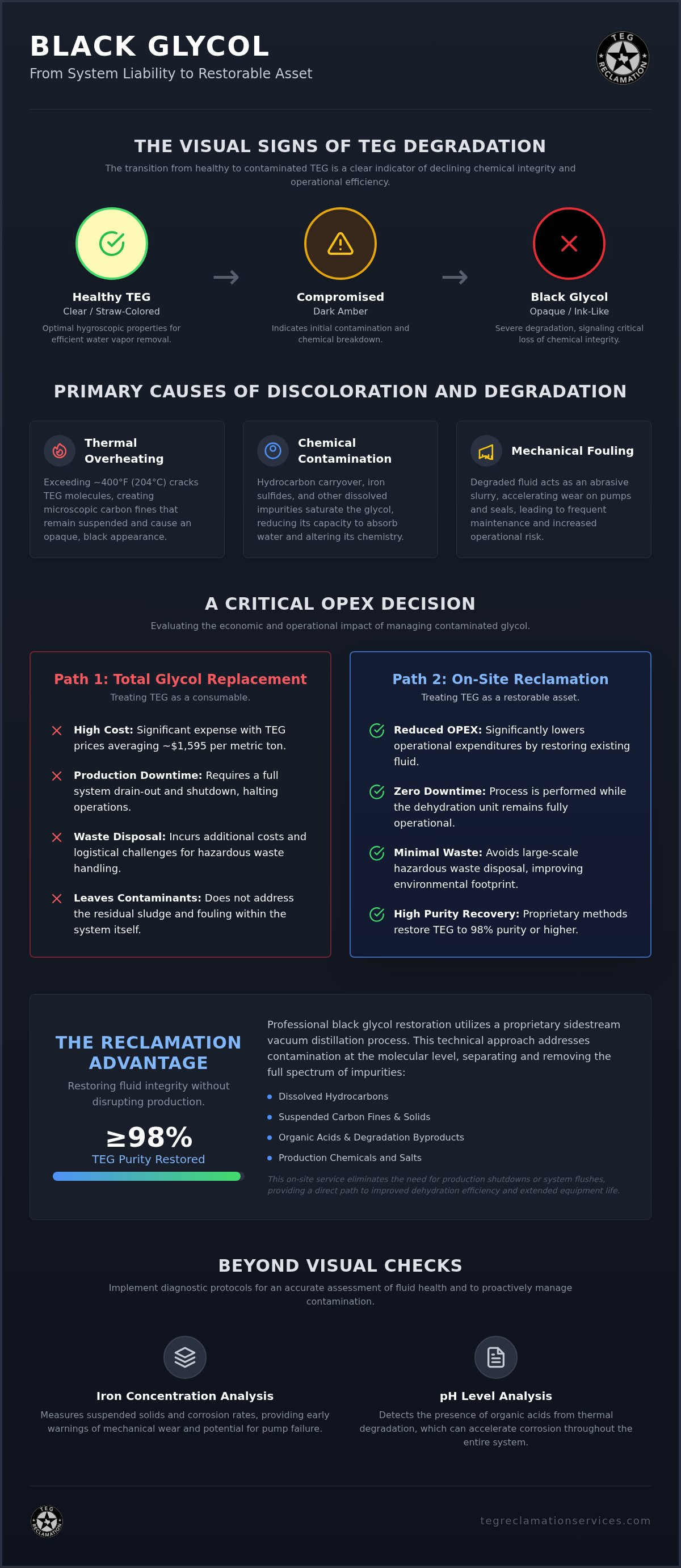
In the context of gas processing, triethylene glycol (TEG) is the lifeblood of the Glycol dehydration process. When the fluid is healthy, it appears as a clear, straw-colored liquid. However, as contaminants accumulate and the chemical structure of the glycol breaks down, it undergoes a distinct visual transformation. It shifts from its natural state to a dark amber and eventually to an opaque, ink-like black. This transition is more than a cosmetic change; it signals a critical loss of chemical integrity that directly impacts dew point depression and overall gas quality standards.
Black glycol indicates that the TEG can no longer effectively strip water vapor from the gas stream. As the glycol becomes saturated with impurities, its hygroscopic properties diminish. This leads to higher moisture content in the sales gas, potentially causing the facility to fall out of compliance with pipeline specifications. Operators who ignore these visual cues often face cascading system failures that require intensive black glycol restoration to correct.
The Chemistry of Discoloration
The darkening of TEG results from a combination of suspended solids and dissolved chemical contaminants. While simple particulate fouling involves physical debris like sand or pipe scale, chemical degradation involves a fundamental change in the glycol molecule itself. Black glycol is the visual manifestation of thermal and chemical breakdown in TEG.
Thermal degradation occurs when reboiler temperatures exceed the safe operating limits of the fluid, often due to localized hotspots or inadequate circulation. When this happens, the glycol molecules crack, forming carbonaceous fines and organic acids. These degradation products are often too small to be captured by standard filtration, remaining suspended in the solution and turning the entire batch opaque. Identifying these chemical shifts early is vital for maintaining system health.
Operational Impact of Fouled Glycol
Fouled glycol introduces significant mechanical and operational risks to the dehydration unit. One of the most immediate issues is increased foaming. Contaminants lower the surface tension of the TEG, causing it to foam excessively within the contactor tower. This reduces the effective surface area for gas-liquid contact, which cripples dehydration efficiency and increases chemical carryover.
Beyond chemical performance, degraded fluid acts as an abrasive. It accelerates wear on critical components, particularly Kimray pumps and internal seals. The presence of iron sulfides and other solids can score pump pistons and erode valve seats, leading to frequent maintenance intervals and unplanned downtime. Implementing a proactive strategy for glycol contamination removal is essential to prevent these mechanical failures. By pursuing professional black glycol restoration, operators can reverse these trends and stabilize their OPEX without halting production.
Primary Causes of Triethylene Glycol Discoloration and Degradation
Understanding why TEG degrades requires a close look at the operational environment of the dehydrator. According to the EPA on Glycol Dehydrators, these systems are critical for preventing pipeline corrosion, but they are also susceptible to chemical stressors. The transformation into black glycol isn't a single event. It's the result of cumulative stressors like excessive heat, oxygen ingress, and chemical contamination that eventually overwhelm the fluid's buffering capacity.
Thermal Overheating and Carbonization
TEG has a specific thermal stability limit that operators must respect. While the fluid is designed for high-temperature operation, exceeding approximately 400°F (204°C) triggers molecular cracking. This process shears the glycol molecules, creating microscopic carbon fines that remain suspended in the solution. These fines give the fluid its opaque, ink-like appearance. Burner management systems play a vital role in preventing this; if flame impingement or poor temperature control occurs, the glycol carbonizes rapidly. Once this carbonization begins, standard filtration can't keep pace, making professional black glycol restoration a technical necessity to recover the fluid's purity.
The Role of Hydrocarbons and Salts
Salts and chlorides carried over from the gas stream act as aggressive catalysts for degradation. Chlorides are particularly problematic because they accelerate the breakdown of glycol molecules and promote internal corrosion. The process of removing chlorides from glycol is essential to halt this cycle. Without addressing the chloride concentration, even fresh glycol will degrade at an accelerated rate. Additionally, oxygen ingress in surge tanks reacts with the glycol to form organic acids, which lower the pH and increase the rate of corrosion throughout the system. If you're seeing these symptoms in your unit, evaluating the current state of your fluid through a comprehensive glycol analysis can determine the best path for restoration.
Economic Analysis: On-site Reclamation vs. Total Glycol Replacement
Operators facing opaque, fouled fluid often default to a total system drain-out. This approach ignores the significant financial burden associated with procurement and disposal. With TEG prices reaching approximately $1,595 per metric ton in mid-2026, treating glycol as a disposable consumable is no longer a viable strategy for midstream facilities. Black glycol restoration offers a technical path to recover this asset without the logistical and environmental liabilities of a full replacement.
Direct Cost Comparison
The ROI of restoration becomes clear when analyzing the total cost of ownership. Beyond the purchase price of new TEG, operators must account for the hauling and disposal of contaminated fluid. Fouled glycol is often classified as hazardous waste, which carries high disposal fees and long-term environmental liability. By calculating glycol reclamation savings, facilities can see that on-site restoration often costs a fraction of a total replacement. Achieving 98% purity through reclamation doesn't just save on chemical costs; it protects the asset from the corrosive effects of degradation products. This proactive maintenance extends the life of reboilers and pumps, reducing long-term equipment replacement costs.
Operational Continuity Factors
Production downtime is the most significant hidden cost of a total glycol replacement. A full system flush requires a complete plant turnaround, which can cost thousands of dollars in lost revenue per hour. Professional restoration utilizes a sidestream process that operates while the facility remains online. This method allows for continuous gas processing, ensuring that delivery commitments are met without interruption. It also eliminates the risk of introducing "oxygen-rich" new glycol into a hot system. New glycol often contains dissolved oxygen that can trigger immediate oxidation and restart the degradation cycle upon contact with high reboiler temperatures. By choosing on-site black glycol restoration, operators maintain steady gas throughput and ensure that their OPEX remains predictable. Consistent chemical purity isn't just about the fluid; it's about the reliability of the entire dehydration unit.
Just as chemical purity is essential for equipment reliability, maintaining a well-organized and hygienic environment for your personnel is vital for operational success. For businesses seeking professional facility support, The Sethakga Group provides premium cleaning and maintenance services that help keep every part of your operation running smoothly.
Indicators and Diagnostic Protocols for Contaminated TEG
Relying on visual inspection alone is a high-risk strategy for any midstream facility. While opaque fluid is a clear sign of trouble, technical decisions require precise data points rather than subjective observations. Accurate diagnostics allow operators to distinguish between simple particulate fouling and systemic chemical breakdown. Monitoring dew point depression serves as a useful proxy for glycol health, but once the gas quality begins to slip, the degradation is likely already advanced. Precision in testing ensures that black glycol restoration is applied effectively, targeting the specific contaminants that threaten your operational uptime.
Field Testing vs. Lab Analysis
Field operators frequently use the "shake test" to gauge foam stability and check for visible hydrocarbons. While these routine inspections are necessary for daily monitoring, they don't reveal the presence of heat-stable salts (HSS) or dissolved iron. Lab analysis is the only way to quantify the concentration of chlorides and organic acids that drive corrosion. These data points are essential for developing a reclamation strategy that returns the fluid to 98% purity. When you notice a spike in chemical consumption or a decrease in dehydration efficiency, it's time to trigger a dehydration unit performance audit. This comprehensive review identifies whether the issue stems from mechanical bypass or chemical fouling.
Interpreting the Results
Lab results provide the technical roadmap for chemical recovery. A decline in pH is a critical warning sign that organic acids are forming within the system. When the pH drops below 6.0, the glycol becomes aggressively corrosive to the carbon steel components of your contactor and reboiler. This corrosion releases iron into the stream, which further accelerates the degradation of the remaining healthy TEG. High particulate counts and iron concentrations directly correlate with an increased frequency of Kimray pump repair. Solids act as an abrasive, scoring pistons and destroying seals, which leads to circulation failure and unplanned shutdowns.
Operators must establish firm intervention thresholds to protect their assets. If iron levels exceed 25 ppm or HSS concentrations rise above 1.0%, the fluid has reached a point where standard filtration is ineffective. At this stage, black glycol restoration becomes mandatory to prevent permanent equipment damage and maintain gas quality standards. If your current lab report shows elevated chloride levels or a dangerous drop in pH, you should request a technical glycol analysis to determine the most efficient path toward restoration.
Restoring TEG Purity with Professional Reclamation Services
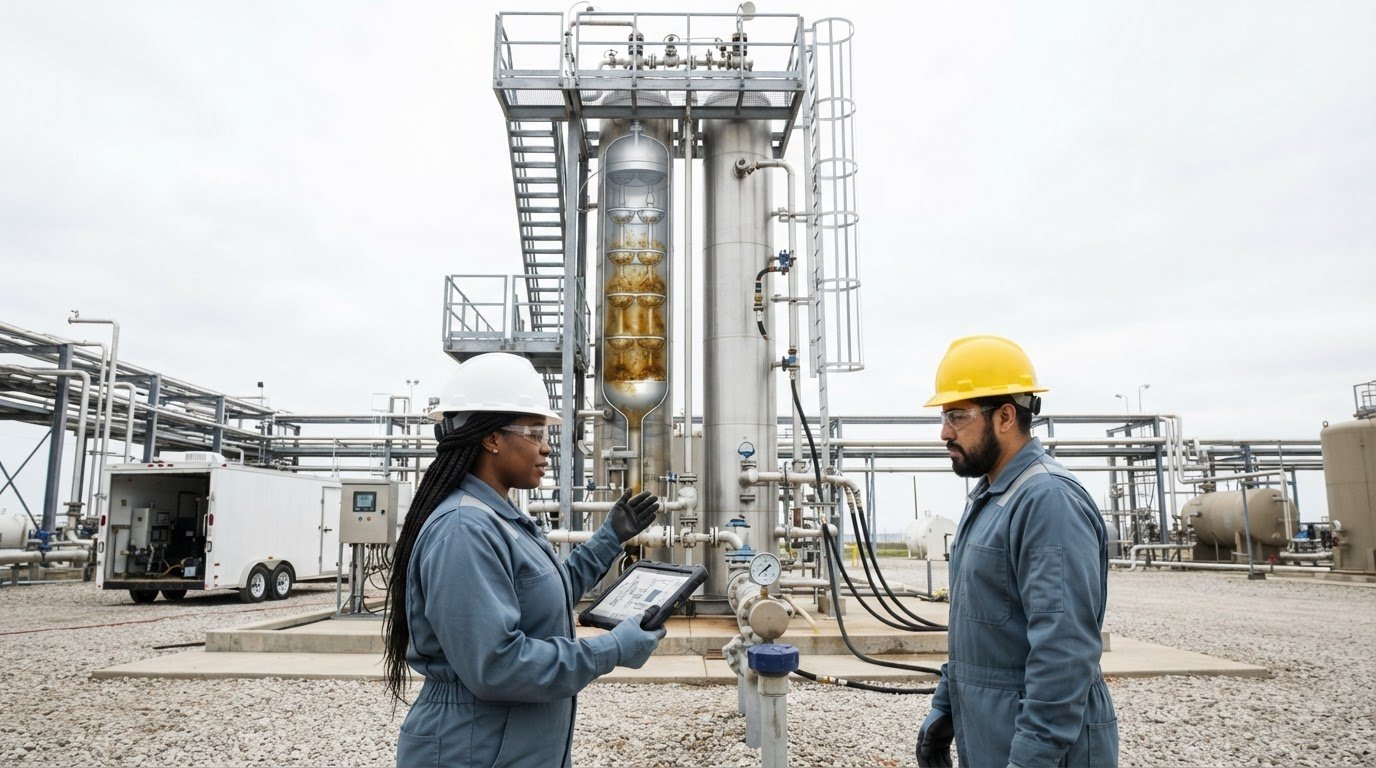
Once diagnostic protocols confirm that your triethylene glycol has reached a critical state of fouling, the priority shifts to chemical recovery. Traditional filtration and simple membrane systems often fail to address the dissolved contaminants that cause the opaque, ink-like appearance of degraded fluid. Professional black glycol restoration utilizes proprietary sidestream vacuum distillation to purge the system of the heat-stable salts, organic acids, and emulsified hydrocarbons that standard maintenance cannot reach. This process doesn't just clean the fluid; it restores the chemical integrity of the TEG to its original specifications.
On-Site Sidestream Processing
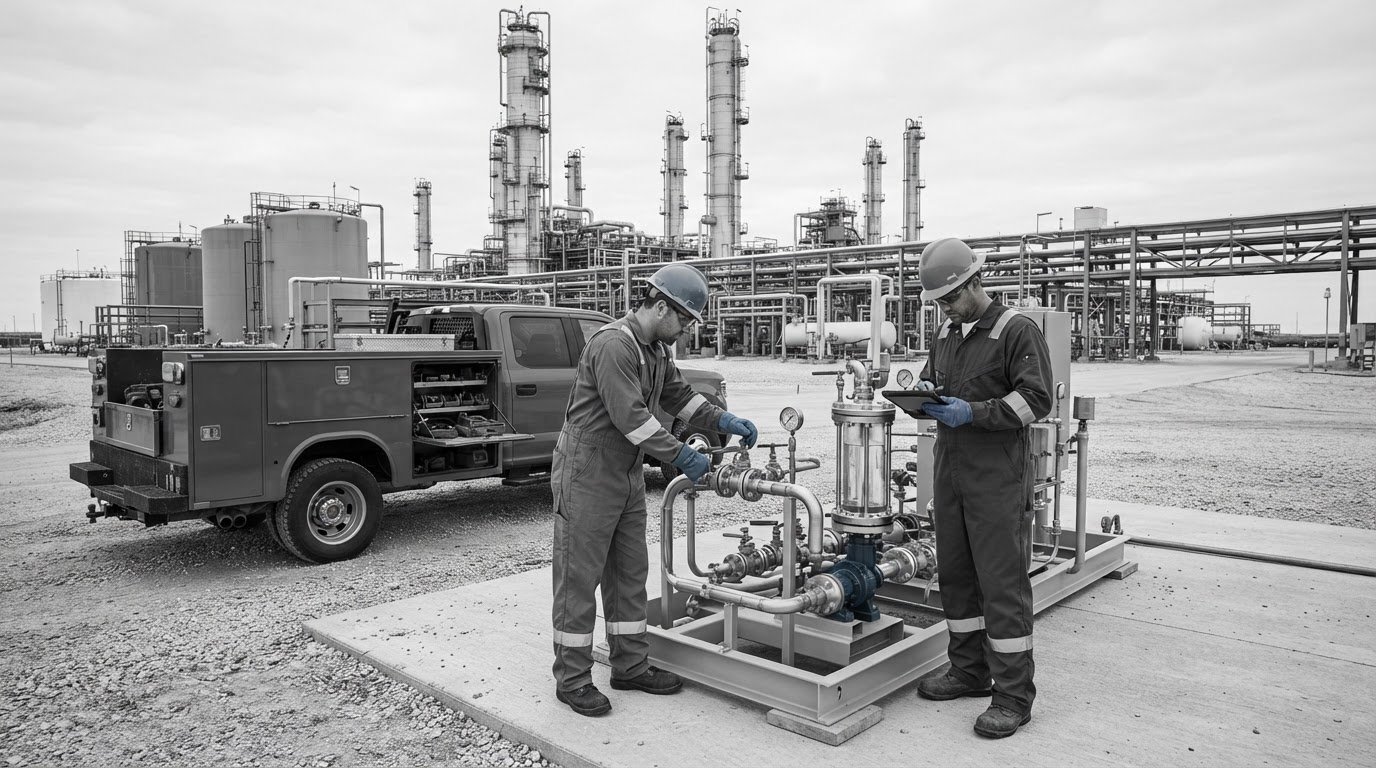
The primary advantage of a professional reclamation service is the ability to operate without interrupting the gas flow. Mobile reclamation units are deployed directly to your facility and integrated into the existing dehydration loop. By utilizing a sidestream configuration, the purification cycle occurs while the dehydrator remains fully operational. This eliminates the logistical burden of coordinating a plant turnaround or managing the massive volume of hazardous waste generated by a total system drain-out. It's a pragmatic solution for facilities that must maintain strict delivery schedules while addressing urgent equipment health issues. The process continues until the entire volume of glycol in the system meets the required purity benchmarks, ensuring that the restored fluid is immediately available to provide maximum dew point depression.
The Result: 98% Purity and Beyond
Successful black glycol restoration returns triethylene glycol to a purity level of 98% or higher. At the molecular level, this means the fluid is stripped of the degradation products that lower pH and increase corrosivity. Restored glycol behaves like new chemistry, providing predictable performance and reducing the mechanical strain on your circulation pumps. This level of purity also has a significant impact on downstream components. For instance, clean glycol significantly improves the efficiency of btex system maintenance. When the glycol is free of heavy hydrocarbons and solids, the condenser and vapor recovery units operate with less fouling, which ensures better compliance with emission standards.
Maintaining long-term stability requires more than just purification. After the reclamation cycle is complete, post-restoration chemical balancing is performed to ensure the pH and inhibitor levels are optimized for the specific operating conditions of your unit. This proactive approach prevents the immediate restart of the degradation cycle. If your dehydration unit is struggling with reduced efficiency or frequent pump failures, the next step is to move beyond visual inspections. Scheduling a technical consultation for black glycol restoration allows you to evaluate the current state of your fluid and implement a recovery plan that protects your asset without sacrificing production uptime.
Securing Operational Continuity with On-Site Restoration
Managing the chemical integrity of triethylene glycol is a necessity for maintaining operational uptime and meeting gas quality standards. Opaque, fouled fluid isn't a signal for disposal but an opportunity for technical recovery. By identifying the root causes of degradation, such as thermal cracking or hydrocarbon carryover, you can implement a strategy that protects your reboilers and circulation pumps from premature failure. This proactive maintenance ensures that your dehydration unit continues to operate within established safety and engineering standards.
Professional black glycol restoration utilizes a proprietary sidestream distillation process to return your chemistry to over 98% purity without requiring a plant turnaround. This approach eliminates the high costs of chemical replacement and the environmental liabilities of hazardous waste disposal. Supported by over 45 years of process equipment experience, our team ensures your system returns to peak efficiency while remaining fully online. Don't let contaminated fluid compromise your facility's reliability or regulatory compliance.
Contact TEG Reclamation Services for a Technical Consultation on Black Glycol Restoration to secure your equipment's health and optimize your midstream operations. We look forward to helping you restore your system's integrity.
Frequently Asked Questions
What exactly causes glycol to turn black in a dehydration unit?
Glycol turns black primarily due to thermal degradation and hydrocarbon carryover from the contactor. When reboiler temperatures exceed 400°F, TEG molecules crack, creating microscopic carbon fines that remain suspended in the solution. Additionally, heavy end hydrocarbons and paraffins emulsify with the fluid, creating an opaque sludge. These contaminants eventually overwhelm standard filtration, signaling the need for professional black glycol restoration to recover the chemical's integrity.
Can black glycol be restored to original specifications, or is it permanently damaged?
Black glycol isn't permanently damaged and can be restored to its original specifications through vacuum distillation. Our proprietary process removes the suspended carbon, dissolved salts, and organic acids that cause discoloration. We return the triethylene glycol to a purity level of 98% or higher. This restoration effectively resets the chemical's life cycle, providing a cost-saving alternative to total fluid replacement while protecting your equipment from corrosive degradation products.
How does contaminated glycol affect the life of my Kimray pumps?
Contaminated glycol acts as an abrasive medium that accelerates mechanical wear on Kimray pumps. Suspended solids and iron sulfides score the pump pistons and erode internal valve seats, leading to frequent seal failures and circulation issues. The presence of organic acids also lowers the pH, promoting internal corrosion of the pump's carbon steel components. Maintaining high chemical purity is the most effective way to extend the service life of these critical pumps.
Is it necessary to shut down my facility for black glycol restoration?
Shutting down your facility isn't necessary when using a sidestream reclamation process. Restoration equipment integrates directly into your existing dehydration loop, allowing the unit to remain fully operational while the fluid is purified. This zero-shutdown approach eliminates the lost revenue associated with plant turnarounds and allows for continuous gas processing. It's a pragmatic solution for facilities that need to maintain production schedules while addressing urgent fluid quality issues.
What is the minimum purity level required for efficient natural gas dehydration?
Efficient natural gas dehydration typically requires a lean TEG purity level of 98% to 99.5% depending on your specific dew point depression requirements. When purity levels drop due to water saturation or chemical fouling, the glycol's ability to strip moisture from the gas stream is compromised. Restoring the fluid to 98% purity ensures that your facility meets pipeline moisture specifications and prevents the formation of hydrates in downstream equipment.
How often should I test my triethylene glycol for thermal degradation?
Operators should perform a comprehensive lab analysis of their triethylene glycol at least quarterly. You should trigger an immediate test if you notice visual darkening, increased foaming, or a drop in dehydration efficiency. Monitoring key metrics like pH, iron concentration, and water content allows you to identify thermal degradation before it causes systemic failure. Regular testing provides the data necessary to schedule black glycol restoration at the most cost-effective interval.
What are the environmental regulations regarding the disposal of fouled glycol?
Under federal regulations like 40 CFR 63 Subpart HH, glycol dehydrators are monitored for hazardous air pollutant emissions. Fouled glycol often contains BTEX and other hydrocarbons, which can classify it as hazardous waste for disposal purposes. On-site restoration helps operators comply with these environmental standards by converting a potential waste stream into a recoverable asset. This reduces the logistical burden of hazardous waste hauling and minimizes the facility's overall environmental footprint.
Can vacuum distillation remove heat-stable salts from TEG?
Vacuum distillation is the most effective technical method for removing heat-stable salts (HSS) from TEG. These salts, often formed by the reaction of organic acids with chlorides or alkaline additives, cannot be removed by standard filtration. Our reclamation process separates the pure glycol from these dissolved solids at the molecular level. Removing HSS is critical because these salts increase the fluid's viscosity and promote aggressive corrosion throughout the dehydration unit.
Comments